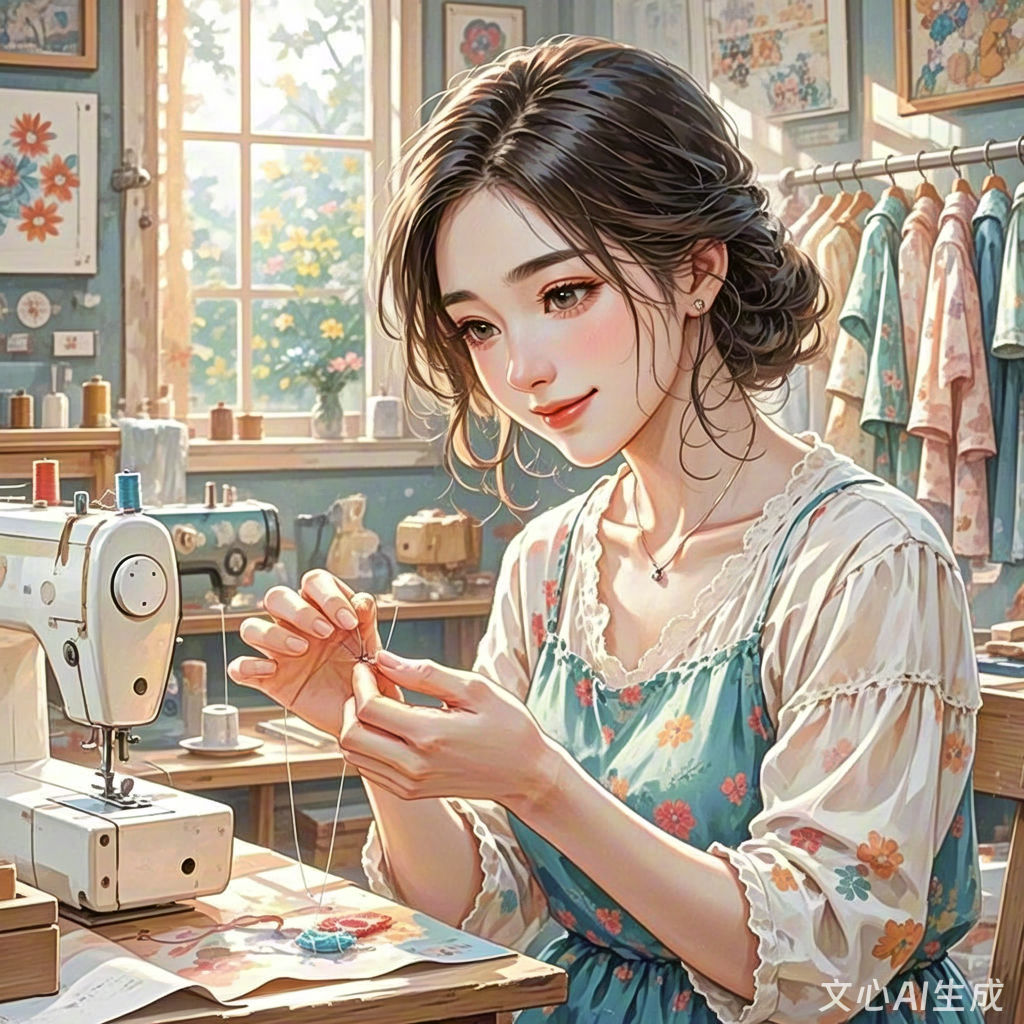
Welcome to the wonderful world of sewing! Whether you’re just starting out or looking to refresh your knowledge, understanding the basic tools and materials is essential for any sewing project. In this post, we’ll guide you through the must-have items for your sewing toolkit, ensuring you’re well-prepared to tackle your first creation with confidence.
Sewing Machine
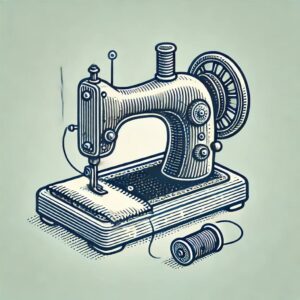
Your sewing machine is the heart of your sewing projects. When choosing a machine, opt for a reliable model that suits your needs and skill level. For beginners, a simple machine with essential functions like straight stitch, zigzag stitch, and a buttonhole function is ideal. It’s worth investing time in researching and reading reviews to find a machine that offers good value and durability.
Threads
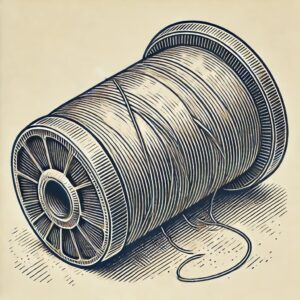
Thread comes in various colors and types, and selecting the right one is crucial for your project’s success. For most projects, all-purpose polyester thread works well due to its strength and versatility. As you gain experience, you might explore other threads like cotton for its natural feel, silk for its luster, or specialty threads for specific fabrics and decorative stitching. Always keep a range of colors on hand to match your fabrics perfectly.
Fabric Scissors
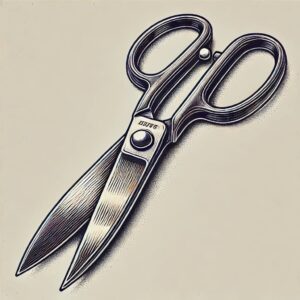
A good pair of fabric scissors is indispensable. These scissors are specifically designed to cut fabric cleanly without causing fraying. To maintain their precision, keep them sharp and use them exclusively for cutting fabric—never paper or other materials. Consider investing in high-quality scissors from reputable brands, as they will last longer and perform better.
Measuring Tape
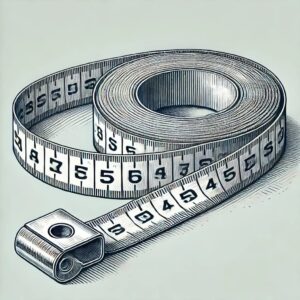
Accurate measurements are the key to a well-fitted garment or project. A flexible measuring tape allows you to measure both fabric and body dimensions with ease. Look for one that’s at least 60 inches long to accommodate various project sizes. Ensure your measuring tape is in good condition, as frayed or stretched tapes can lead to inaccurate measurements.
Pins and Needles
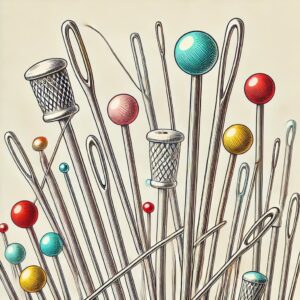
Pins are essential for holding fabric pieces together before sewing. Choose sharp, fine pins for delicate fabrics to prevent snagging, and larger pins for thicker materials to ensure a secure hold. Hand sewing needles come in various sizes and types for different tasks, such as basting, embroidery, or sewing on buttons. Keep your needles organized and replace them regularly to avoid dullness.
Fabric Pieces
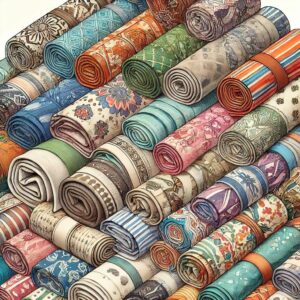
When starting out, choose easy-to-sew fabrics like cotton or linen. These materials are forgiving and easy to handle, making them perfect for beginners to practice and build confidence. As you gain experience, experiment with different types of fabric like knits for stretchy garments, silks for elegant projects, or wool for warm, structured pieces. Always pre-wash your fabric to prevent shrinkage and ensure a perfect fit.
Cutting Mat
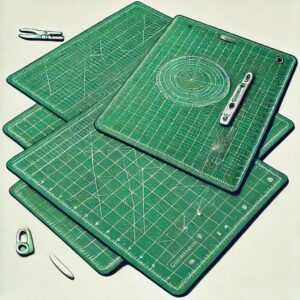
A self-healing cutting mat is a valuable addition to your sewing toolkit. It protects your work surface and provides a clean, stable cutting surface for rotary cutters. The self-healing feature means the mat can withstand repeated cuts without showing significant wear. It’s especially useful for cutting straight lines and ensuring precision in your cuts, making it a must-have for quilting and garment construction.
Patterns
Patterns are the blueprints for your sewing projects, guiding you through cutting your fabric and assembling the pieces. For beginners, start with simple patterns such as pillowcases, tote bags, or basic clothing items like skirts or aprons. As you gain confidence and skill, you can progress to more complex patterns with intricate details. Always read through the entire pattern before starting to understand the steps involved and ensure you have all the necessary materials.
By familiarizing yourself with these basic sewing tools and materials, you’ll be well on your way to creating beautiful, handmade items. Remember to take your time, practice regularly, and don’t be afraid to make mistakes—they’re part of the learning process. Happy sewing!